
Sports
Outdoor Sports Offerings
- Swimming
- Basketball
- Skating
- Cricket
- Football
- Athletics
- Wall Climbing
Indoor Sports Offerings
- Table Tennis
- Chess
Need of Sports
Sports are more than just physical activities; they are essential for the holistic development of students. They promote health, discipline, social connections, and academic growth, preparing students for the challenges of life. Schools should encourage active participation in sports to help students become well-rounded individuals, ready to face the world with confidence and strength.
Contact Info
“Connect with Us – Your Path to Admission Starts Here!”
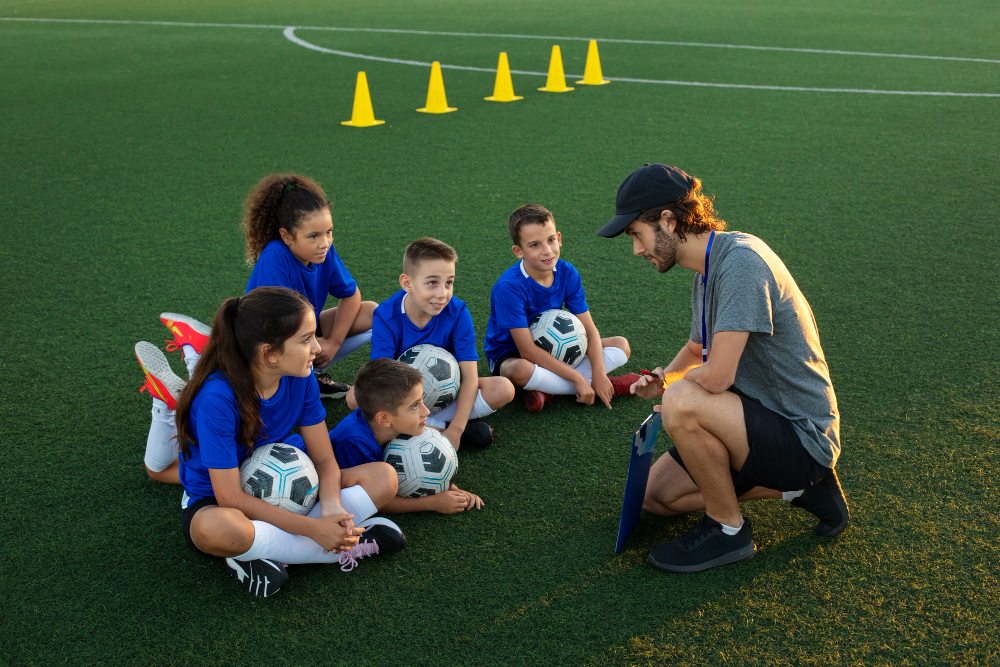
Sports play a crucial role in the overall development of school students. Beyond physical health, engaging in sports fosters mental well-being, social skills, discipline, and academic success. In a world where technology often dominates leisure time, sports offer students an opportunity to lead active, balanced, and productive lives.
1. Physical Health Benefits
Sports significantly improve the physical health of students. Regular participation in physical activities helps in:
- Enhancing cardiovascular fitness and muscle strength.
- Reducing the risk of obesity, diabetes, and other lifestyle diseases.
- Improving motor skills, flexibility, and coordination.
Engaging in sports ensures that students remain active, building habits that promote a healthy lifestyle even into adulthood.
2. Mental and Emotional Well-being
Sports are known to positively impact mental health. They help reduce stress, anxiety, and depression through the release of endorphins, the body’s natural “feel-good” chemicals. Furthermore:
- Boosts Confidence: Winning games or achieving personal milestones enhances self-esteem.
- Promotes Resilience: Handling losses teaches students to persevere and improve.
- Enhances Focus: The concentration required in sports helps students develop better attention spans.
3. Social Skills and Teamwork
Participation in team sports fosters essential social skills. Students learn to communicate effectively, resolve conflicts, and work collaboratively toward common goals. These interactions:
- Encourage mutual respect and empathy.
- Build friendships and networks that enhance emotional support.
- Teach leadership skills and accountability.
4. Discipline and Time Management
Sports instill discipline as they require consistent practice, punctuality, and adherence to rules. Students learn to balance academics and sports, which enhances their time management skills. These traits become invaluable in managing future responsibilities.
5. Academic Benefits
Contrary to the misconception that sports hinder academics, studies show that physically active students perform better in school. Sports enhance:
- Cognitive Skills: Physical activity improves memory, problem-solving, and critical thinking.
- Energy Levels: Active students often show better concentration and stamina in academics.
6. Stress Relief and Recreation
In the competitive environment of schools, sports provide an outlet for stress. They allow students to relax, recharge, and return to studies with renewed energy.
7. Character Building
Sports help build character by teaching essential life lessons such as:
- Sportsmanship: Accepting victories with humility and losses with grace.
- Determination: Pushing limits to achieve goals.
- Fair Play: Adhering to rules and valuing integrity.